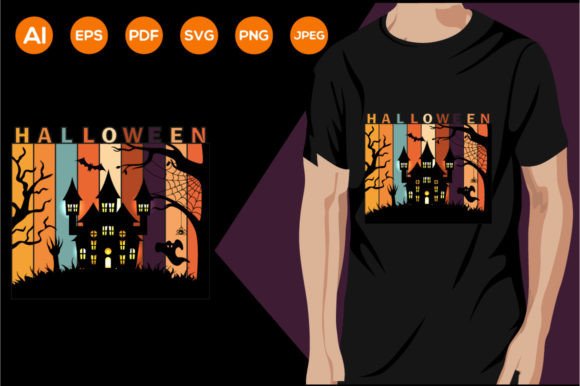
Reviewing the Halloween Trendy Graphics T-Shirt Design
As a designer who has spent countless hours digitizing patterns and troubleshooting machine errors, I approach every new machine embroidery design with a mix of curiosity and skepticism. We all know that what looks crisp on a screen does not always translate well to fabric. When I first pulled up the Halloween Trendy Graphics T Shirt Design, my immediate goal was not just to admire the aesthetic, but to evaluate its viability for real-world production. This is not just about pretty pictures; it is about creating a finished product that holds up to washing, wearing, and customer scrutiny.
First Impressions and Visual Personality
The initial mood of this design is playful yet polished, striking a balance that is often difficult to achieve in seasonal Graphics. For embroidery designers and Etsy sellers, the visual personality of a design dictates its market fit. This particular piece feels modern, avoiding the overly spooky or childish tropes that can limit its appeal. The layout suggests a strong central focus, which is crucial for maintaining stitching clarity. When I visualize this as an embroidery project, I see it working best where the design can breathe. It does not look like a pattern that needs to be crammed into a tiny space. Instead, it demands attention, making it ideal for statement pieces rather than subtle accents.
The provided files include AI, EPS, SVG, PDF, and PNG formats. While these are excellent for print-on-demand or digital sublimation, those of us in the embroidery world need to pause here. These vector and raster files are fantastic for creating printable mockups or marketing materials, but they are not direct embroidery files like PES or DST. This distinction is vital. You will need to use these high-quality graphics as a reference to digitize your own stitch file or ensure you have the corresponding stitched version if this package includes it separately. The 300 DPI CMYK specification ensures that any color matching you do for thread selection will be accurate, which is a significant advantage when trying to replicate the design’s vibrancy in thread colors.
Real-World Application Scenarios
Let us move from theory to practice. Imagine you are preparing a custom order for a local boutique. They want a line of custom apparel for the upcoming holiday season. I would immediately steer them toward using this design on a heavyweight cotton sweatshirt. The structure of the graphic suggests it would handle the fill stitch density well on a stable fabric. Alternatively, consider a tote bag design. Canvas provides the necessary tension and stability, allowing the details to pop without the fabric puckering.
For small shop product lines, versatility is key. This design could easily transition into an embroidered patch if digitized with a satin stitch border. Patches are a low-risk way for craft business owners to test a new design before committing to full garments. If you are making personalized gifts, such as a baby onesie, you must exercise caution. The complexity might be too high for a small hoop, and the stitch density could feel stiff against sensitive skin. In such cases, scaling down and simplifying the internal details would be necessary to maintain comfort and durability.
Navigating Technical Challenges
Every design has its pitfalls, and honest evaluation requires identifying them. Where should you use the Halloween Trendy Graphics T Shirt Design carefully? First, consider curved surfaces like caps. Unless the design is specifically digitized for caps with appropriate pull compensation, the text or intricate elements may distort. Second, be wary of thin fabric or stretchy materials like rayon blends. Without proper stabilization, the weight of the threads can cause the garment to warp.
If you are working with dark fabrics, remember that the original graphics are likely designed with light backgrounds in mind. You will need to adjust your thread colors to ensure sufficient contrast. A running stitch outline might help define edges on dark materials where fill stitches blend in. Additionally, check for tiny lettering or fine details. In embroidery, anything smaller than a few millimeters can get lost in the thread buildup. If the design includes small text, verify that it remains legible at your intended hoop size. If not, consider removing it or replacing it with a simpler element.
Enhancing Brand Value and Customer Trust
Why does the quality of your design assets matter? Because it directly impacts perceived value. A clean, well-executed embroidery job signals professionalism. When customers see consistent stitching and thoughtful placement, their trust in your handmade product increases. This design, with its organized layers and high-resolution source files, allows you to create cohesive branding across different products. Whether it is a holiday embroidery item for a family reunion or a branded apron for a coffee shop, the consistency of the graphic helps build recognition.
For digital product sellers, having access to AI and SVG files means you can offer hybrid products. You might sell the physical embroidered item while also offering the digital file for customers who want to make their own crafts. This expands your revenue streams and appeals to the growing community of makers and hobbyists. However, always confirm licensing terms. Just because you have the files does not mean you have unlimited commercial rights. Check the specific license included with your purchase to ensure you can sell commercial embroidery items derived from this design.
Practical Notes for the Embroidery Designer
Before you load this design into your machine, take these practical steps. First, always test on scrap fabric that matches your final material. This helps you gauge the stabilizer requirements. A cut-away stabilizer is usually safer for garments that will be washed frequently, while tear-away might suffice for decorative items like pillow covers. Second, review the stitch density. If the design feels too dense, consider reducing the fill percentage in your digitizing software to prevent needle breaks and fabric distortion.
Inspect the small details closely. Are there areas where the thread might jump excessively? These jumps should be trimmed or minimized in the digitizing phase. Compare how the design looks on light versus dark backgrounds using black and white mockups. This simple step can save you from choosing thread colors that lack contrast. Finally, ensure that the hoop size you select accommodates the entire design with adequate margin. Crowding a design near the edge of the hoop often leads to misalignment and frustration.
In conclusion, the Halloween Trendy Graphics T Shirt Design offers a solid foundation for creative entrepreneurs. It is versatile, visually appealing, and technically manageable if approached with care. By understanding its strengths and limitations, you can transform a digital graphic into a tangible, high-quality finished product that delights customers and strengthens your brand. Whether you are an experienced decorator or a novice crafter, taking the time to evaluate the design through this practical lens will ensure your next project is a success.