Reviewing the 12 Gauge Army T-Shirt Design for Real Embroidery
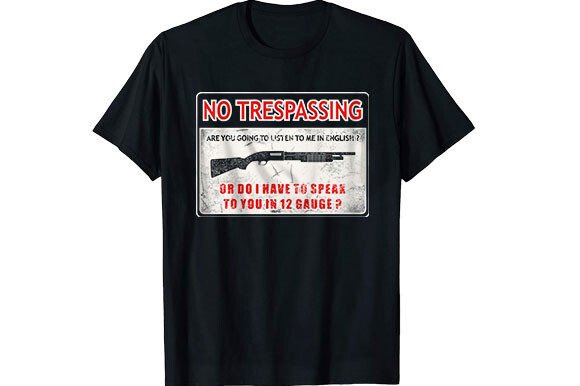
As a designer who has spent countless hours staring at digitized files and watching needles punch through fabric, I have learned that not every graphic translates well to thread. When I first pulled up the 12 Gauge Army T-shirt Design, my initial reaction was one of cautious optimism. The visual impact is immediate, carrying a bold, rugged aesthetic that speaks directly to a specific audience. However, seeing a pixel-perfect PNG on a screen is vastly different from watching it become a tangible, stitched reality. This review breaks down how this design performs in actual production environments, focusing on practical application for embroidery designers, Etsy sellers, and craft business owners.
First Impressions and Visual Personality
The mood of this design is unmistakably strong. It conveys durability and pride, which makes it an excellent candidate for custom apparel aimed at military families, veterans, or outdoor enthusiasts. The layout appears clean, with defined edges that suggest it was created with clarity in mind. For those of us working with T-Shirt Designs and Graphics, we know that overly complex details can get lost in translation. This design avoids that pitfall by maintaining a balanced level of detail. It does not look cluttered, which is crucial when you are working with the physical limitations of thread and fabric.
When considering where this fits best, I immediately thought of heavy-duty items. While it is labeled as a t-shirt design, its visual weight suggests it would shine equally well on a canvas tote bag, a structured cap, or a thick cotton sweatshirt. The bold lines imply that it can hold its own against textured fabrics, provided the digitization supports the visual structure.
Real-World Application Scenarios
To truly evaluate a file, I imagine it in a real client scenario. Let’s say a customer approaches your small shop for a personalized gift for a father who serves in the army. They want something durable for weekend wear. Using the 12 Gauge Army T-shirt Design on a high-quality crewneck sweatshirt creates a product that feels substantial and valuable. The design anchors the garment, giving it a professional, boutique look rather than a homemade feel.
Another viable application is in the realm of embroidered patches. Because the design has strong outlines, it could be adapted into an applique design or a dense fill stitch patch. Patches are high-margin items for craft businesses, and this theme sells consistently. If you are creating holiday embroidery gifts or birthday presents, this graphic offers a masculine, respectful option that stands out among the typical floral or cursive options found in many digital embroidery file libraries.
Technical Considerations for Stitching
Here is where experience matters most. A design might look perfect as a vector SVG or a high-resolution PNG, but embroidery requires managing physics. When preparing this design for machine embroidery, you must consider stitch density. If the original graphic has large solid areas, ensure your digitizer has converted these into appropriate fill stitches rather than leaving them as massive blocks that could cause puckering. For a design with this kind of thematic weight, a combination of satin stitch for borders and fill stitch for larger areas usually works best to maintain definition without adding excessive bulk.
Fabric choice is critical. This design would struggle on thin, stretchy jersey knits unless properly stabilized. I recommend using a cut-away stabilizer for t-shirts to prevent distortion after washing. For thicker materials like denim or canvas tote bags, a tear-away might suffice, but always test first. The "clean and smooth work" promised in the product description relies heavily on your machine tension and hoop size selection. If you are stitching this on a curved surface like a cap, ensure the design width fits comfortably within your cap frame without hitting the seams.
Where to Use Caution
While the design is versatile, it is not universal. Avoid placing this on delicate fabrics like silk or lightweight rayon, as the stitch density required to render the bold shapes may damage the material. Additionally, be mindful of tiny details. If the design includes small text or intricate graphical elements, verify that they are large enough to be stitched clearly. Tiny lettering often merges together during stitching, ruining the legibility. Always inspect the design at 100% zoom in your software before sending it to the machine.
Dark fabrics present another challenge. If you are stitching this on black or navy, ensure you have high-contrast thread colors. A dark thread on a dark fabric will make the design invisible. Conversely, if the design has light elements, use a bright thread to make it pop. Testing on scrap fabric is non-negotiable here. Do not risk your final product on an untested combination of thread and fabric.
Enhancing Product Value and Brand Trust
For Etsy sellers and handmade shop owners, the quality of your finished product directly impacts customer trust. A crisp, well-stitched 12 Gauge Army T-shirt Design signals professionalism. It shows that you understand how to handle commercial embroidery projects with care. When customers receive a personalized gift that looks durable and well-made, they are more likely to leave positive reviews and return for future purchases. This design helps build brand consistency if your shop focuses on rugged, patriotic, or family-oriented themes.
Moreover, using high-quality assets like this allows you to create better printable mockups and digital product previews. When your online listings show a realistic representation of how the embroidery sits on the fabric, buyer engagement increases. Customers can visualize the final product, reducing hesitation and returns.
Practical Designer Notes
Before you commit to a large batch of production, keep these practical steps in mind:
- Check Licensing: The product description mentions editable files, but always confirm the specific license terms. Ensure you are allowed to sell finished physical items or if there are restrictions on commercial use.
- Test Stitch Density: Run a test stitch-out on similar fabric to check for puckering or thread breaks. Adjust pull compensation if necessary.
- Verify File Formats: You will receive SVG and PNG files. Note that these are graphic files, not native machine embroidery formats like PES or DST. You will need to digitize these graphics or convert them using specialized software before they can be stitched. Ensure your tools support this workflow.
- Contrast Check: View the design in black and white to ensure the shapes remain distinct without color reliance. This helps in planning monochrome projects.
- Hoop Size Confirmation: Measure the design dimensions against your available hoop sizes. Do not assume it fits standard hoops without checking the actual scale.
In conclusion, the 12 Gauge Army T-shirt Design is a strong asset for designers who understand the technical demands of embroidery. It offers a bold aesthetic that resonates with a clear target market. By respecting the material constraints and preparing your files correctly, you can transform this digital graphic into a high-value handmade product that customers will cherish. Whether for a custom apparel line or a seasonal gift collection, this design holds up under scrutiny when handled with professional care.