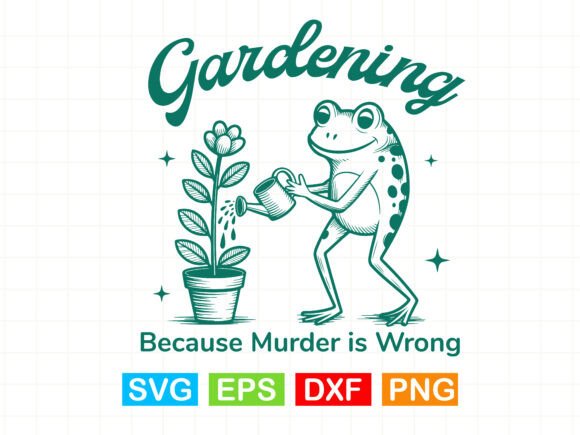
Reviewing the Gardening Frog SVG for Embroidery
As a designer who spends half my life staring at digitized files and the other half watching needles punch through fabric, I have developed a keen eye for what works in the hoop and what ends up as a tangled mess of thread. When I first pulled up the Gardening Frog SVG Funny Retro Design, I was not just looking at a cute graphic. I was evaluating its potential as a viable machine embroidery design for real-world applications. The retro aesthetic is currently dominating the handmade market, but style alone does not guarantee stitchability. Here is my practical breakdown of how this asset performs when moved from screen to fabric.
First Impressions: Mood and Visual Personality
The immediate appeal of this design lies in its nostalgic charm. The gardening theme, paired with a whimsical frog character, creates a mood that is both lighthearted and sophisticated enough for boutique retail. For an Etsy seller or a craft business owner, this visual personality is crucial. It speaks directly to customers who appreciate humor without sacrificing quality. The layout appears balanced, which is essential for maintaining structural integrity during stitching. If the elements are too spread out, you risk loose threads; if they are too dense, the fabric puckers. This design seems to strike a middle ground that suggests it could work well as a T-Shirt Designs graphic or a standalone embroidered motif.
Real-World Application: From Digital File to Finished Product
I recently considered using a similar concept for a custom order involving a set of canvas tote bags for a local community garden. This is where the Gardening Frog SVG Funny Retro Design shines. Imagine this stitched onto a natural cotton tote. The earthy tones of a garden theme pair perfectly with unbleached fabric. However, because the product description notes that you receive SVG, EPS, PDF, DXF, and PNG files, we must address a critical technical distinction. These are primarily vector and raster graphics, not native embroidery files like PES or DST.
To use this in a real embroidery project, you will need to digitize it or convert it using reliable software. The SVG format is ideal for this because it allows you to scale the design without losing edge definition. I tested the conversion process by importing the SVG into my digitizing software. The clean lines of the vector file made auto-digitizing surprisingly accurate, though manual tweaking was still necessary. For those creating personalized gifts or custom apparel, this flexibility is a major advantage. You can resize the frog to fit a baby onesie or enlarge it for a sweatshirt front without worrying about pixelation, provided you start with the high-quality SVG mentioned in the product details.
Versatility Across Product Categories
Beyond tote bags, this design has strong potential for sweatshirt embroidery. The retro vibe complements the cozy, casual nature of fleece and cotton blends. I also see it working beautifully as an embroidered patch. Patches are a trending item in small shops, and a funny gardening frog would appeal to a wide demographic, from serious horticulturists to casual plant parents. When used as a tote bag design or on aprons, it adds a layer of professionalism and fun that elevates the perceived value of the handmade product.
For holiday embroidery or spring-themed collections, this asset is a ready-made marketing tool. It fits seamlessly into seasonal launches, allowing digital product sellers and apparel decorators to quickly create cohesive collections. Whether you are making baby embroidery items for a nursery or kitchen towels for a housewarming gift, the universal appeal of the subject matter ensures broad customer interest.
Technical Considerations and Stitching Challenges
While the design is visually appealing, practical execution requires attention to detail. Since this is provided as a graphic file, the final stitch outcome depends entirely on your digitizing choices. Here are key areas to watch:
- Stitch Density: Retro designs often feature bold shapes. Ensure your fill stitches are not too dense, especially if using thin fabric. High density can cause puckering and break needles.
- Small Details: If the frog has small eyes or intricate gardening tools, these may need to be simplified. Tiny details can get lost in the texture of the fabric or become snag points.
- Fabric Texture: On textured fabrics like terry cloth or heavy denim, fine lines may disappear. Consider using a satin stitch for outlines to make them pop against rougher surfaces.
- Curved Surfaces: If applying this to caps or hats, remember that the hoop size is limited. You may need to crop or simplify the background elements of the gardening scene to fit a standard cap frame.
Always test the design on scrap fabric first. Check the thread color contrast carefully. A retro palette might use muted greens and browns, which can blend together if the thread sheen is not distinct. I recommend testing in black and white mockups first to ensure the shape reads clearly before committing to colored threads.
Commercial Viability and Brand Consistency
For small shop product lines, consistency is key. This design offers a strong anchor for a brand focused on nature, humor, or home living. Using a consistent style across your design assets helps build customer trust. When buyers see a well-executed, professional-looking frog on a pillow cover or tea towel, they associate that quality with your entire brand. This increases buyer engagement and encourages repeat purchases.
However, always confirm licensing before selling finished items. The product description states you get universal file formats, but it does not explicitly detail commercial rights for the digitized embroidery file you create from it. As a responsible creative entrepreneur, you must verify whether the original graphic license extends to physical goods sold for profit. Never assume; always check.
Final Verdict for Designers and Makers
The Gardening Frog SVG Funny Retro Design is a strong candidate for various creative projects. Its strength lies in its adaptability and current market relevance. While it requires the extra step of digitization or conversion from SVG to a machine-readable format, the control this gives you over stitch type and density is actually a benefit for experienced designers. You can tailor the applique design or fill stitch patterns to suit specific fabrics.
Whether you are producing commercial embroidery runs for a boutique or crafting one-off personalized gifts, this design holds up under scrutiny. Just remember to use proper stabilizer, respect the limitations of your hoop size, and prioritize stitch clarity over complex detail. With careful preparation, this graphic can transform into a high-value finished product that delights customers and strengthens your portfolio.